Address
304 North Cardinal
St. Dorchester Center, MA 02124
Work Hours
Monday to Friday: 7AM - 7PM
Weekend: 10AM - 5PM
Address
304 North Cardinal
St. Dorchester Center, MA 02124
Work Hours
Monday to Friday: 7AM - 7PM
Weekend: 10AM - 5PM
Price range: $6.95 through $10.95
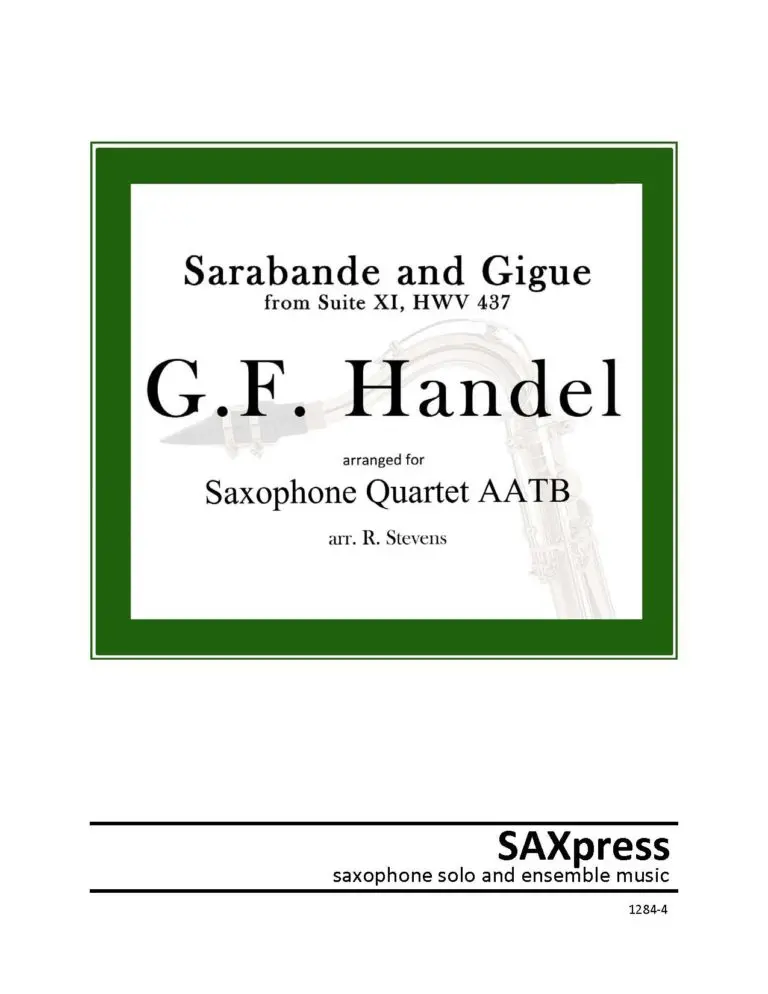
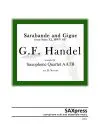
from Suite XI, HWV 437
Composer: Handel, Georg Friderick
Arranger: R. Stevens
Ensemble: AATB Saxophone Quartet
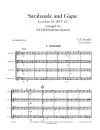
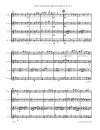
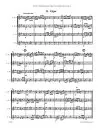
Format: Score (4pp) and AATB parts
Length: 3 minutes (both movements)
Difficulty: Grade 2-3 (Moderately Easy – Moderate)
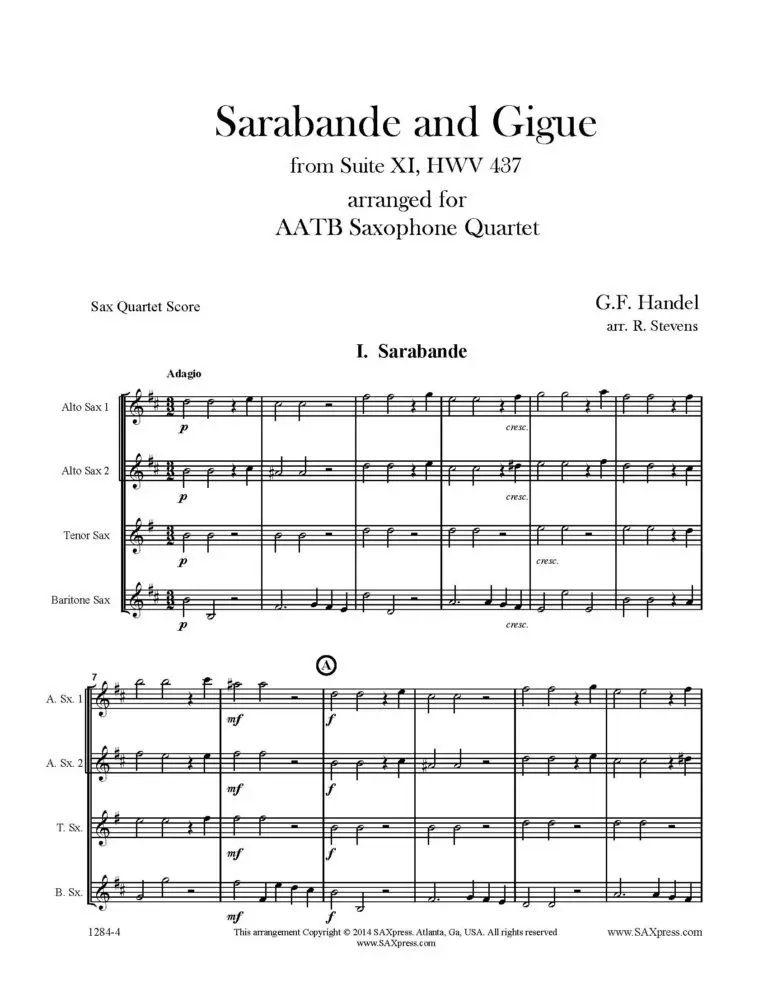
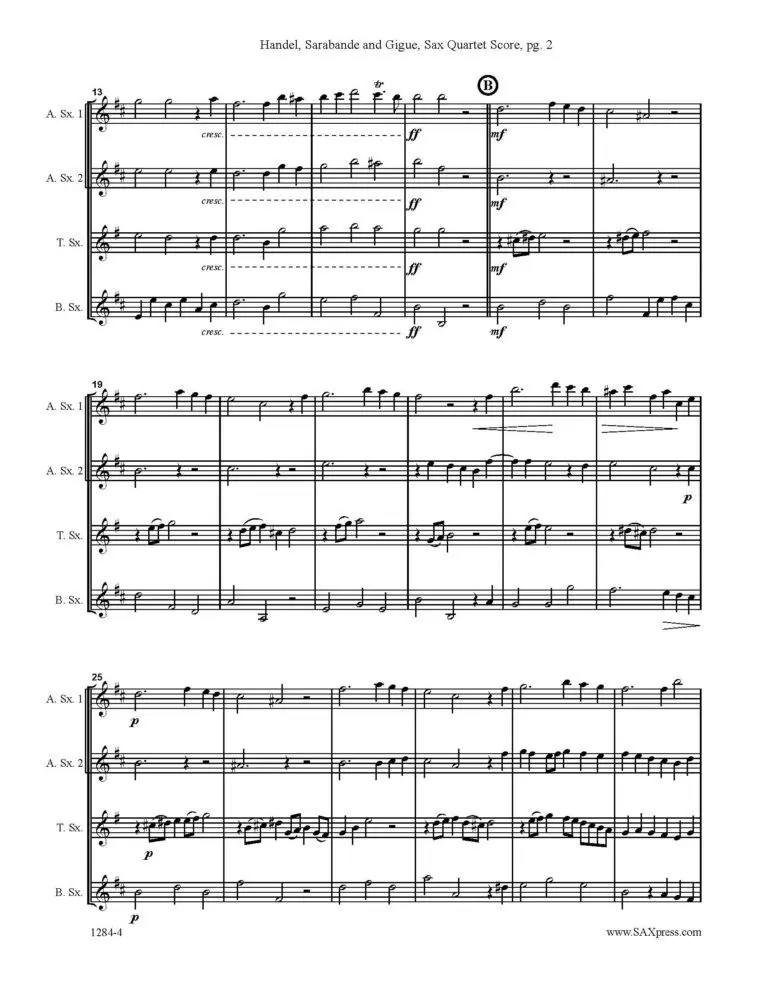
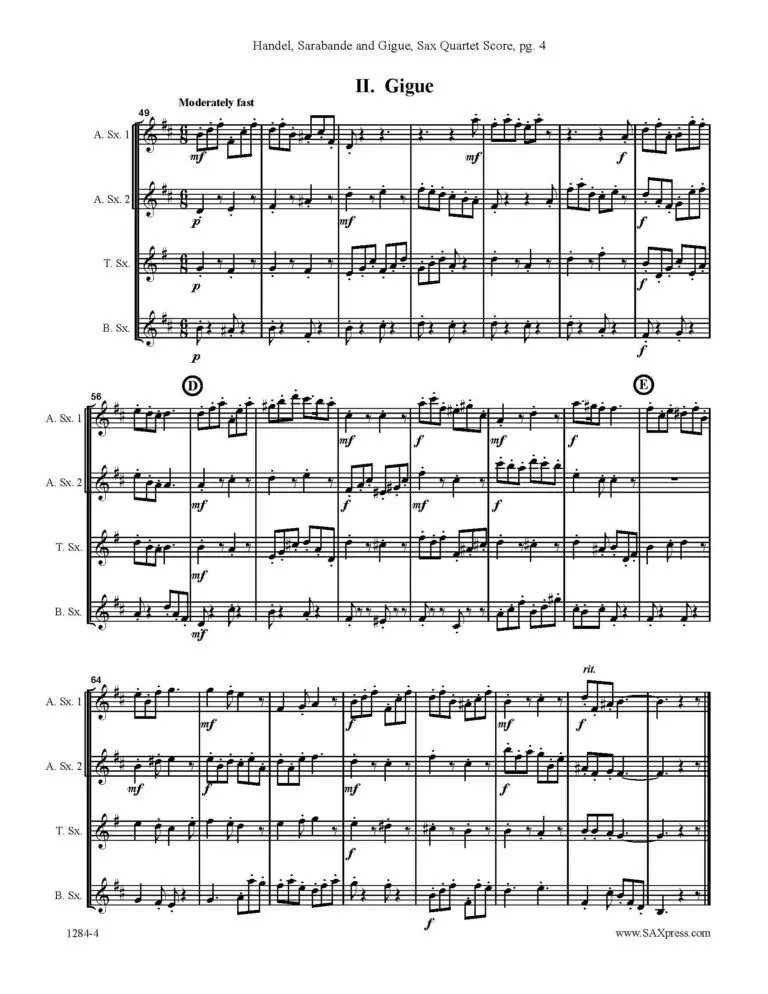
Sarabande and Gigue by Handel arranged for AATB saxophone quartet. Sarabande and Gigue are the last two movements of the Suite XI, HWV 437 composed by George Frideric Handel, for solo keyboard (harpsichord) between 1703 and 1706. The original work is also referred to as Suite de pièce Vol. 2 No. 4. It was first published in 1733.
Handel’s Sarabande from Suite XI has frequently been used as film music including the 1975 film Barry Lyndon.
This arrangement is for AATB saxophone quartet. It is fairly simple both musically and rhythmically. In the first movement, although the tune is in the alto 1 and 2 parts, the tenor and bari parts take a more prominence with variations and an early version of a ‘walking bass’. The second movement is more balanced with the two altos and tenor sharing the melody and bari providing a discreet bass.

Baroque composer George Frideric Handel was born in Halle, Germany, in 1685. In 1705 he made his debut as an opera composer with Almira. He produced several operas with the Royal Academy of Music in England before forming the New Royal Academy of Music in 1727. When Italian operas fell out of fashion, he started composing oratorios, including his most famous, Messiah. Handel died in London, England, in 1759.
During his lifetime, Handel composed nearly 30 oratorios and close to 50 operas. At least 30 of those operas were written for the Royal Academy of Music, London’s very first Italian opera company. He was also a prolific writer of orchestral pieces, concerti gross, keyboard music. He is said to have made significant contributions to all of the musical genres of his generation. His most renowned work is the oratorio Messiah, written in 1741 and first performed in Dublin in 1742.
In 1784, 25 years after Handel’s death, three commemorative concerts were held in his honor at the Parthenon and Westminster Abbey. In 2001 Handel’s home on Brook Street (from 1723 to 1759) became the site of the Handel House Museum, established in memory of his legendary life and works.
You must be logged in to post a review.

Reviews
There are no reviews yet.